
Robotics Clubs: What Parents Should Know
We've asked coordinators about skill levels, time commitments, and whether STEM experience is actually required before joining.
Getting Started With Robotics
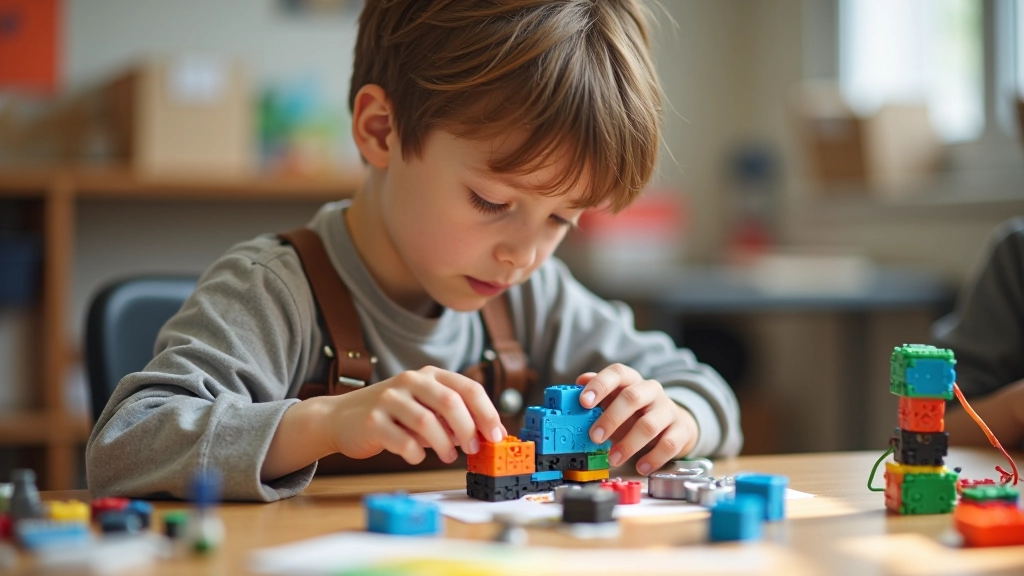
Your kid came home asking about robotics club. You're probably wondering what that actually means — and whether they'll need a background in engineering to join. Here's the truth: most clubs accept complete beginners. In fact, we've talked with program coordinators from clubs across the country, and they're pretty clear on this. You don't need prior STEM experience. You don't need expensive equipment at home. You just need curiosity and willingness to show up.
Robotics clubs aren't what they were ten years ago. They're not just for the kids who already know how to code. They're hands-on environments where kids learn problem-solving, teamwork, and practical engineering through building actual robots. And the time commitment? It's way more reasonable than you'd think.
What Actually Happens in Club
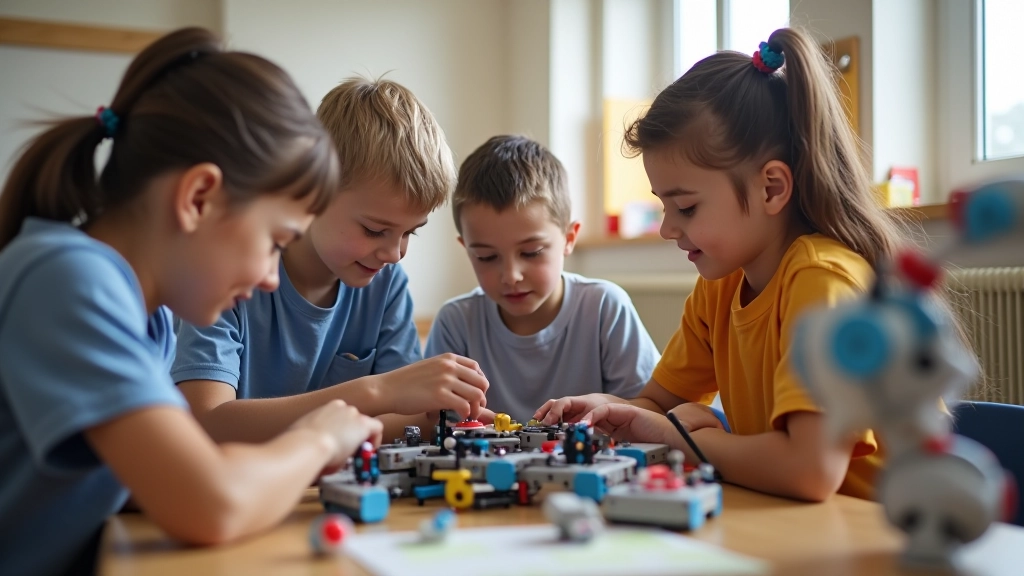
So what's a typical session look like? Most clubs run for 60-90 minutes, usually once or twice a week after school. Kids don't just watch someone else build. They're hands-on from day one. The first few sessions focus on basics — how the robot parts connect, how the software works, what different sensors actually do.
Then it gets more interesting. Teams work on challenges. Build a robot that can move in a straight line. Make it turn corners. Create something that can pick up objects. These aren't arbitrary tasks. They're teaching mechanical design, basic programming logic, and problem-solving. When something doesn't work — and it won't, at first — kids figure out why. That's where the real learning happens.
One coordinator told us something we heard a lot: "The kids who struggle with traditional classroom work often shine here." There's something about building and testing that clicks differently. It's concrete. You can see immediately if your idea worked.

The Skills Your Kid Actually Builds
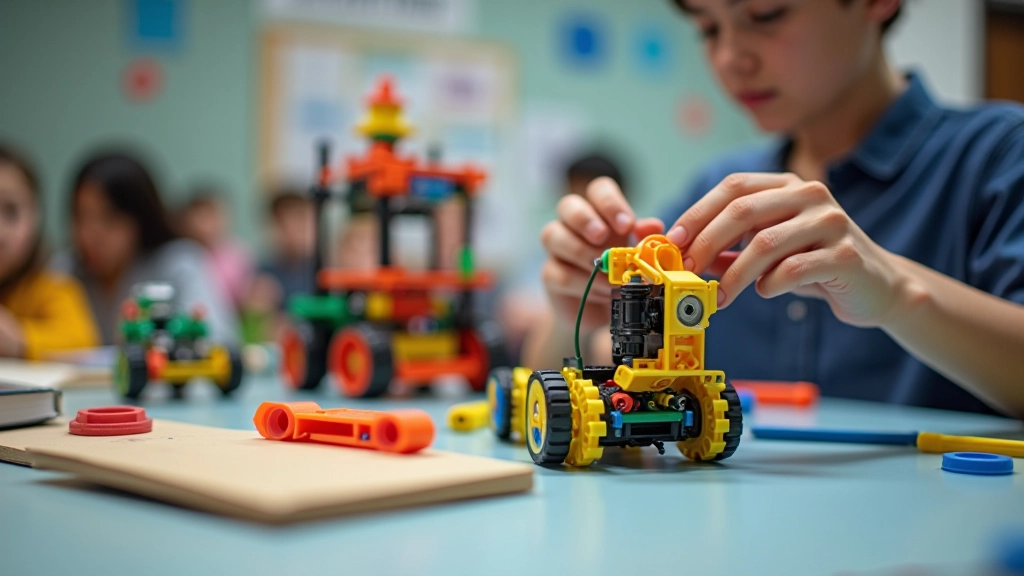
Parents ask us what their kid will learn. Not just the robot stuff, but real skills. And yeah, there's coding — though it's usually visual block-based programming at first, not typing lines of complex code. But that's honestly the smaller part.
The bigger skills are collaboration and resilience. Teams typically have 3-4 kids. Everyone has a role. Some kids focus on the mechanical design. Others handle the programming. Someone's testing. When the robot fails to complete the challenge — which it will, repeatedly — the team has to figure out what went wrong together. That's not just engineering. That's real teamwork.
We heard this from a parent whose daughter joined last year: "She came home frustrated the first few weeks. The robot kept falling apart. But then she realized the problem was in how she'd assembled the frame. Now she double-checks everything. She's more careful. But she's also more confident trying things that don't work."
The Practical Details Parents Care About
Time Commitment
Most clubs meet 1-2 times per week for 60-90 minutes. Some have seasonal programs running for 8-12 weeks. Others run year-round. There's usually no homework between sessions. It's intentionally designed so kids can participate without it taking over their whole week.
Cost Range
Fees vary widely depending on the organization. School-based clubs are often free or under $50 per session. Community programs and private clubs typically range from $100-300 for an 8-week session. The club provides all equipment — you don't need to buy anything.
Age Groups
Most clubs run separate groups for ages 8-10, 11-13, and 14+. The programming and challenges scale with age. Younger kids focus on basic building and movement. Older kids tackle more complex coding and sensor integration. Some clubs also accept mixed ages.
What to Expect First Session
Most clubs start with a brief intro — what's the robot, how does it work. Then kids dive into building a simple robot. They're not sitting and listening. They're handling parts from minute one. It's designed to be accessible. No experience needed. Just bring your kid and an open mind.
Questions Parents Actually Ask
Does my kid need to know how to code?
No. Most beginners' programs start with visual programming — you drag and drop blocks instead of typing code. It's intuitive. If your kid can use a tablet, they can handle this. Actual coding comes later, for kids interested in going deeper.
What if my kid gets frustrated easily?
Robotics is actually good for this. Unlike a test where failure means you got it wrong, here failure is just data. The robot didn't work, so you figure out why and fix it. Coaches are trained to reframe frustration as problem-solving. One parent told us their anxious kid actually got more confident because she realized mistakes were just part of the process.
Is it competitive or collaborative?
Both, usually. Some clubs focus entirely on collaborative challenges where teams work together. Others run competitions — but these are friendly, end-of-session competitions. It's not cutthroat. The emphasis is on what your team built and how you problem-solved, not just winning.

The Bottom Line
Robotics clubs aren't intimidating gatekeepers for future engineers. They're accessible, hands-on learning environments where kids figure things out through building and testing. Your kid doesn't need STEM background. They don't need to be naturally gifted at math or science. They just need to show up.
Most clubs are designed specifically for beginners. The coaches know this. They expect kids who've never built anything. They're good at meeting kids where they are. And honestly? Watching your kid solve a problem they built — when they realized the issue and fixed it themselves — that's something special.
Start by checking what's available in your area. School robotics clubs. Community centers. Libraries sometimes run programs. FIRST Robotics has a finder on their site. Most offer free intro sessions or trial classes. Let your kid try one. See if it clicks. There's a good chance it will.
About This Article
This article is informational only and reflects current practices in robotics club programs across the United States. Program details, costs, schedules, and age requirements vary significantly by location and organization. We recommend contacting specific clubs in your area to confirm current information, availability, and enrollment requirements. Always review safety guidelines and speak directly with program coordinators about your child's specific needs and interests.