Music Lessons: Choosing the Right Instrument
Finding the perfect instrument for your child isn't about which one sounds the best — it's about which one they'll actually want to practice.
Why the Right Instrument Matters More Than You Think
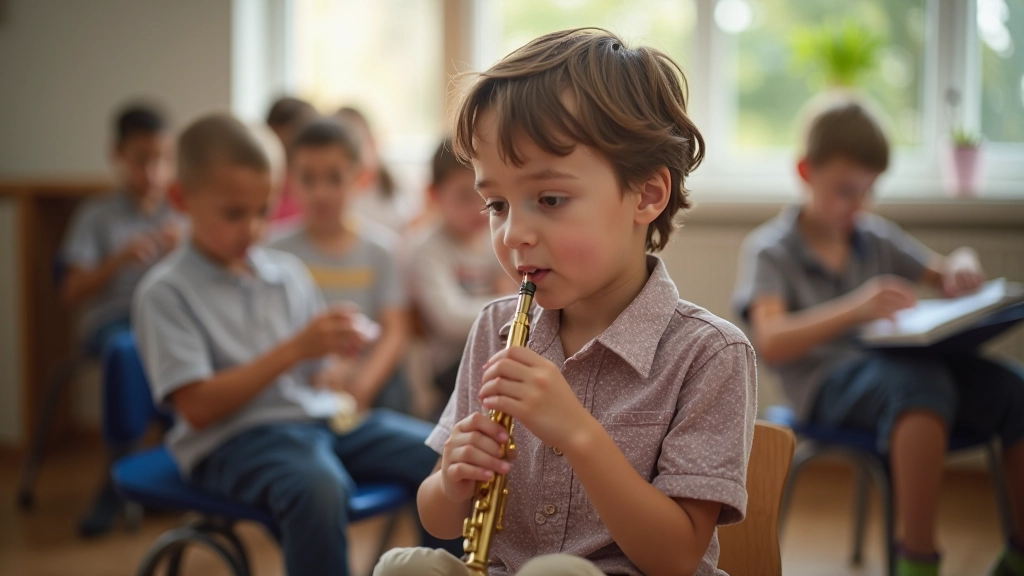
Your child's first instrument sets the tone for everything that comes next. We've seen kids pick up the saxophone and practice for hours, while others touch a trumpet once and never want to see it again. It's not random — there's usually a reason.
The difference comes down to fit. Not just physically (though that matters), but emotionally. Does your kid want to be in a rock band or a classical orchestra? Do they want something portable to play at friends' houses? Are they interested in melody or rhythm? These questions matter way more than you'd expect.
We've worked with hundreds of families in after-school programs, and we've learned that the kids who stick with music are the ones who chose an instrument that genuinely excited them — not one their parents or a teacher suggested.
The Five Things to Consider
Before your child even touches an instrument, think through these factors. They'll make the decision clearer.
1. Physical Size and Strength
Not all instruments fit all kids. A 10-year-old with small hands might struggle with a full-sized guitar, but a ukulele? Perfect. Trumpet is manageable for most kids starting around age 7-8, but holding a cello upright requires real strength and coordination. We're not saying it's impossible — just that some instruments require less physical adjustment to get started.
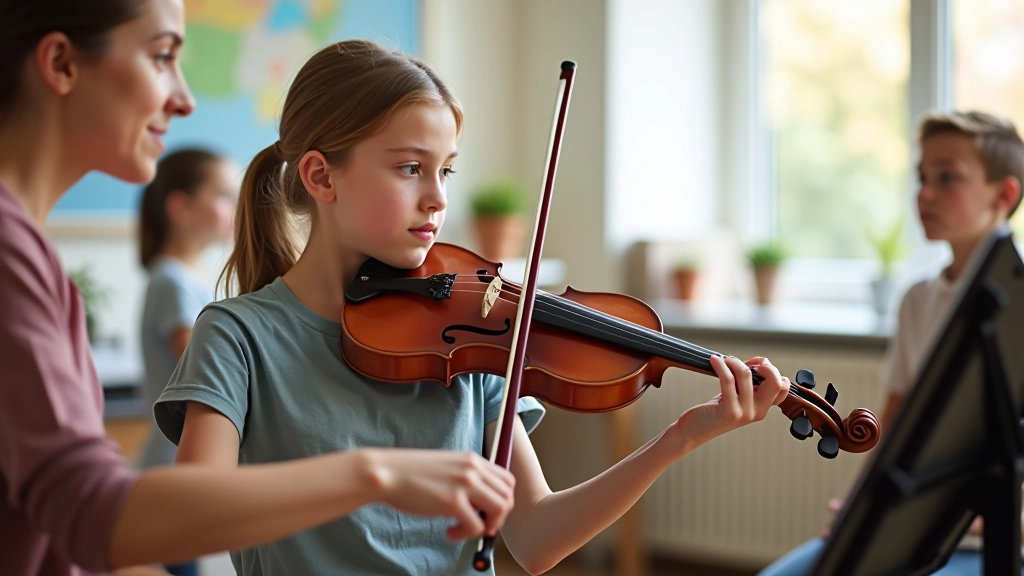
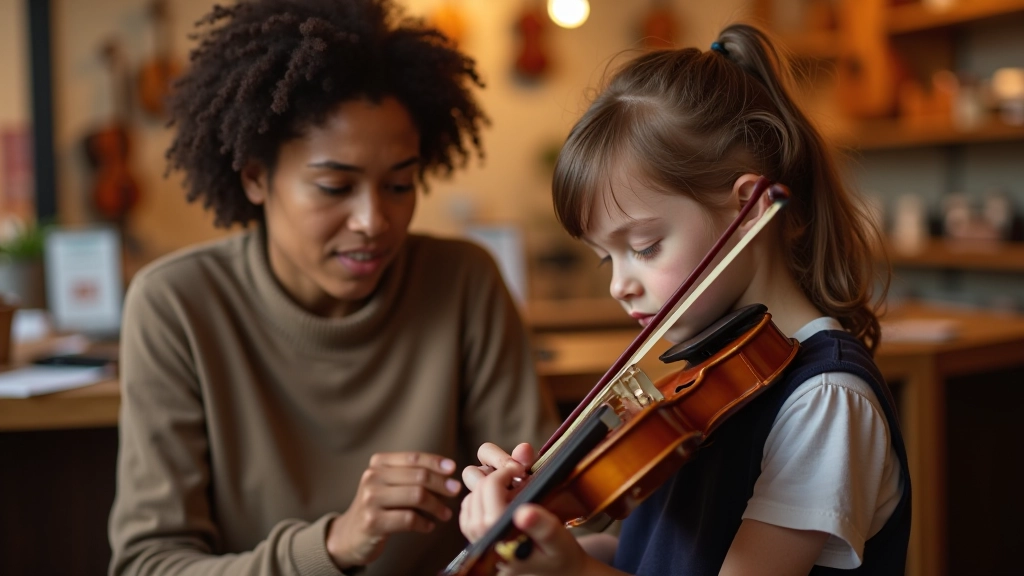
The upright bass and harp? Beautiful instruments, but they're genuinely challenging for younger kids. Violin works for smaller hands because the neck is thinner. Drums require the ability to sit still and coordinate four limbs independently, which some kids aren't ready for yet.
2. Budget and Long-Term Cost
We need to be honest about this. A decent beginner violin costs $200-400. A starter acoustic guitar? $150-300. But a cello? You're looking at $400-800 minimum for something playable. And that's before lessons.
Beyond the initial purchase, consider maintenance. Strings wear out. Reeds need replacing (oboe reeds are surprisingly expensive). Repairs happen. Budget-wise, piano might seem expensive upfront, but monthly costs are basically zero once you've got an instrument.
3. Sound and Personality
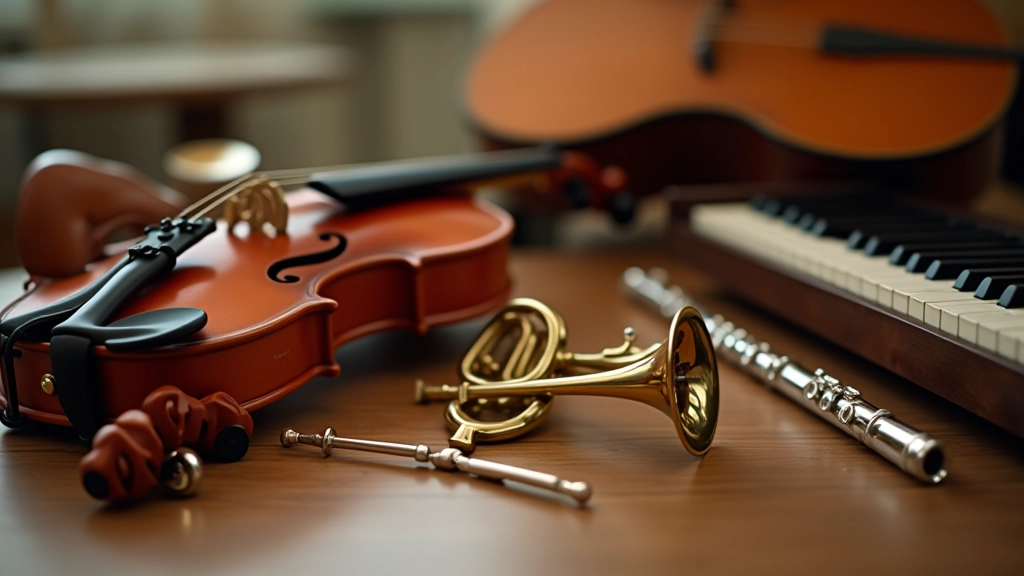
This is the fun part. What kind of music gets your kid excited? If they love hip-hop and rap, drums or bass might click better than oboe. If they're into folk music or singer-songwriter stuff, guitar is obvious. Classical enthusiast? Violin, piano, or cello.
But don't assume. Some kids who love pop music fall in love with saxophone. Others who seem like "guitar kids" end up obsessed with piano. The point is, listen to what they're actually drawn to. If they can't stop humming trumpet solos from a jazz song, maybe trumpet is worth exploring.
4. Noise Level and Neighbors
Real talk: drums are loud. Trumpet is loud. Clarinet gets shrill. If you live in an apartment or have noise-sensitive neighbors, you need to think about this. A beginner on violin isn't the most pleasant sound (practice phase is rough), and it travels through walls.
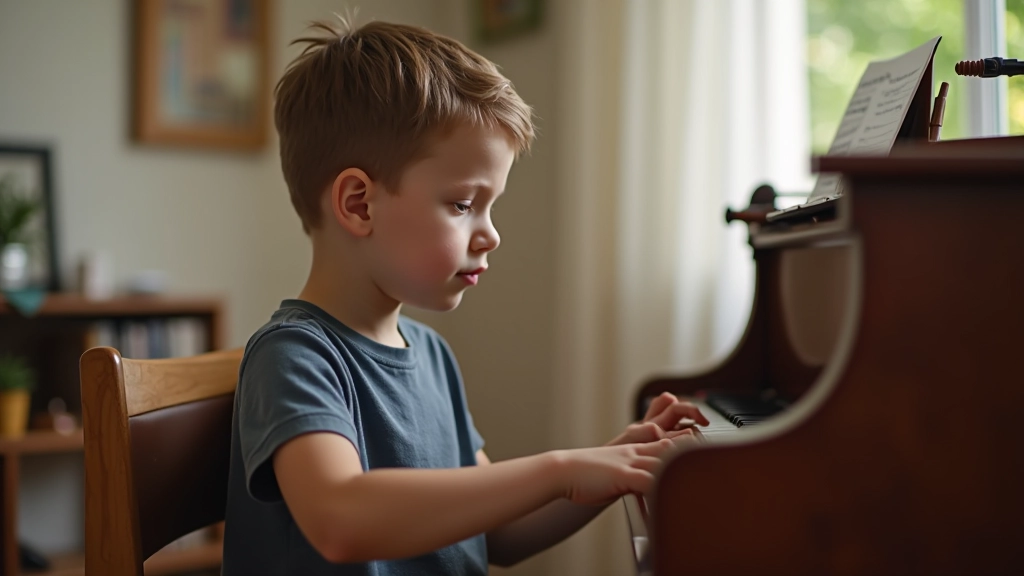
Quieter options? Guitar, piano, ukulele. With headphones, keyboard is basically silent. Some kids practice electric guitar through headphones without bothering anyone.
5. Portability and Social Factor
Does your kid want to play at school talent shows? Bring it to friends' houses? Sit around a campfire? Then portability matters. Guitar, ukulele, harmonica — you can take these anywhere. Piano? Not happening unless you've got a keyboard.
Social element counts too. Guitar is the cool instrument in most school settings. Drums gets attention. But kids in orchestra settings feel part of something special — there's real community there. Think about what environment will keep them motivated.
Real talk: The "best" instrument is the one your child wants to practice. Period. A kid excited about drums will practice daily. A kid forced into violin will practice when you make them.
How to Actually Make the Decision
Don't just guess. Follow this process and you'll get it right.
01
Listen Together
Spend a week playing different instruments and styles. YouTube has full performances of everything. Notice which ones your kid keeps asking to hear again. That's your signal.
02
Try Before Buying
Most schools let kids borrow instruments or rent cheaply ($20-30/month). Many music stores let you demo instruments. Don't buy until your kid has actually held and played one. Physical feel matters more than you'd think.
03
Secure a Good Teacher
This matters more than the instrument. A great teacher makes any instrument fun. A bad teacher can kill motivation fast. Ask schools or music stores for recommendations. Check if teachers offer trial lessons.
04
Start Renting (Usually)
Renting is smart for the first 6-12 months. You'll learn what your kid actually needs. Some kids will switch instruments (we've seen it happen). Rent costs $20-40/month and most rental fees apply toward purchase if you decide to buy later.
05
Commit to Consistency
Whether it's 15 minutes or 30 minutes, set a regular practice schedule. Same time, same place. This matters more than duration. Kids who practice 15 minutes daily outpace those who cram 2 hours on weekends.
The Reality Nobody Talks About
Here's what happens with most kids: the first 4-6 weeks are exciting. Then it gets hard. Notes don't sound right. Fingers hurt. Practice feels boring. This is normal. This is when 60% of kids quit.
Your job isn't to force practice. It's to support through the hard phase. Some things that actually work: attend lessons with your kid the first few times (they'll see you care). Don't practice right before bedtime (tired kids hate it). Celebrate small wins loudly. Let them choose some songs to learn (if teacher agrees).
Also real: sometimes kids genuinely picked the wrong instrument. We've seen kids switch from violin to cello and suddenly love practicing. That's okay. Better to switch early than force misery for three years.
"My daughter hated violin for the first two months. We almost quit. Then her teacher taught her a Taylor Swift song and she practiced it fifty times. Totally different kid now. She wasn't ready to quit — she was just waiting for the right song."
— Jennifer, parent of two
The Bottom Line
Choosing an instrument doesn't need to be overwhelming. You're not making a forever decision — you're starting a journey. Listen to what excites your kid. Try before you buy. Get a good teacher. And give it time.
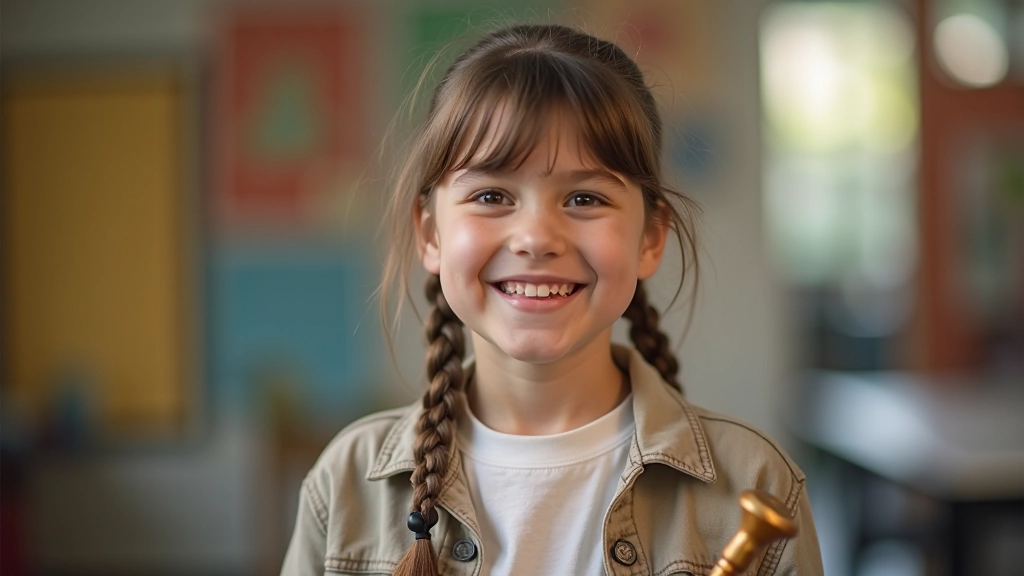
The perfect instrument is the one your child will actually pick up to practice. Sometimes that's the obvious choice. Sometimes it's a surprise. But when you see your kid lost in a song they love, playing because they want to, not because you made them? That's when you'll know you chose right.
Ready to Get Started?
Check local music schools and teachers. Many offer trial lessons or instrument demos. Your first step is just asking your kid what instrument actually sounds cool to them.
Find Music Teachers Near You

About This Article
This article is informational and based on common experiences in after-school music programs. It's not a substitute for personalized advice from music teachers or school music coordinators. Every child develops differently, and what works for one may not work for another. We encourage you to consult with qualified music instructors who can assess your child's individual interests, physical abilities, and learning style. Instrument prices and rental costs vary by location and retailer. Always verify current pricing with local music stores.