Getting Started with Art Classes for Kids
Find out what supplies you'll need, how to choose between painting and drawing classes, and what to expect from your child's first week.
Art classes aren't just about making pretty pictures. They're where kids develop confidence, learn to see the world differently, and discover whether they're a painter, sketcher, sculptor, or something else entirely.
You're thinking about enrolling your child, but you've got questions. What materials do they actually need? Should they start with drawing or painting? Will they feel lost on day one? We've talked with art instructors, parents, and kids who've been through their first weeks, and we're here to walk you through it.
What You'll Learn
- Essential supplies for starting art classes
- Differences between painting and drawing programs
- What happens in week one (and week two)
- How to prepare your child mentally and practically
The Supply List: What Actually Matters
Here's what most instructors told us: don't buy everything at once. Your child doesn't need a $200 art kit. Most programs provide basic materials—paper, paints, brushes—in the first few weeks. What they need is stuff that lets them practice at home without guilt.
For painting classes, a basic set of acrylics or watercolors (around $15-25), some brushes, and sketch paper are honestly enough to start. For drawing, you're looking at pencils in different grades, erasers that won't damage paper, and a sketchbook. That's it. Don't overthink it.
The instructors we spoke with emphasized one thing: kids actually work better with modest supplies. It takes pressure off. They're less worried about "ruining" an expensive set and more willing to experiment.

Painting vs. Drawing: How to Decide
It's not as obvious as you'd think, and your child might surprise you.
Drawing Classes
Start here if your child likes working slowly and carefully. Drawing teaches observation—they'll learn to really look at shapes, proportions, and light. It's meditative. Kids who struggle with sitting still sometimes find their rhythm in drawing because they're focused on something concrete.
Typical first week: Basic pencil techniques, simple shapes, shading fundamentals.
Painting Classes
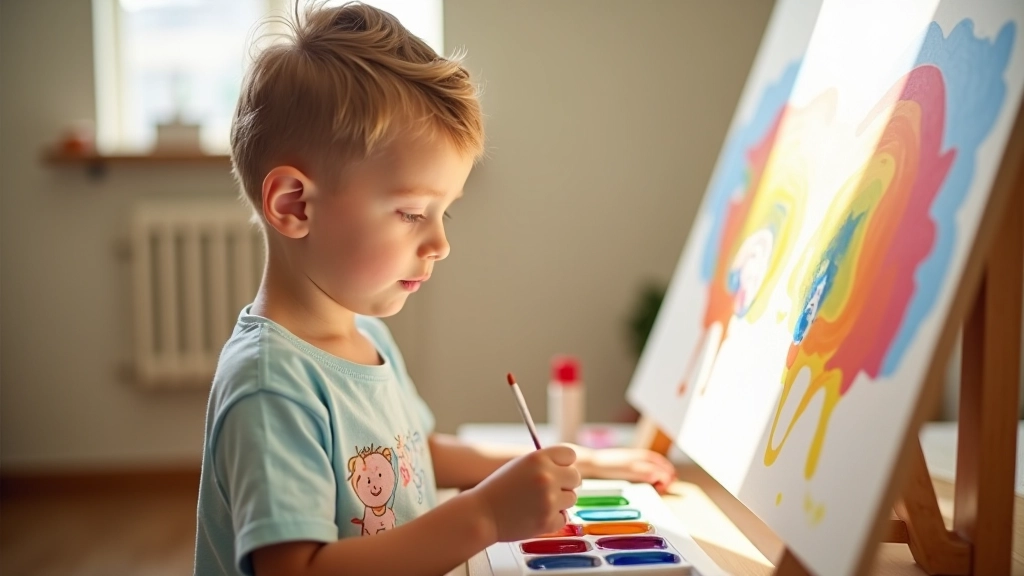
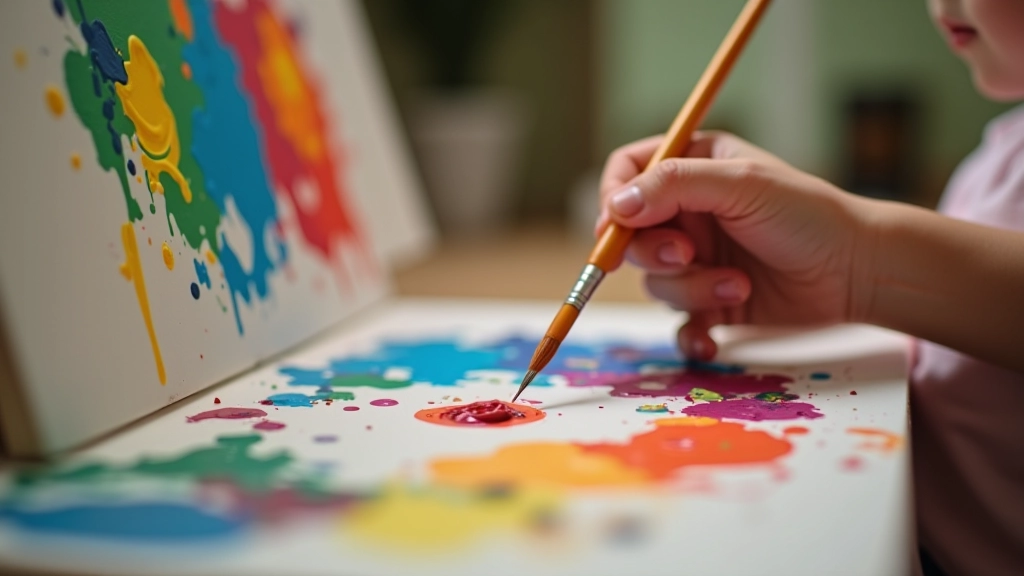
Pick this if your child loves color and doesn't mind a little messiness. Painting is forgiving—you can paint over mistakes. It's faster feedback, which kids often prefer. They see a finished piece in one or two sessions instead of weeks of refinement.
Typical first week: Color mixing, brush control, learning how water affects paint.
"My daughter wanted to paint but we thought she'd be better at drawing. The instructor suggested she try both in the first month. By week three she was totally committed to painting. You really can't know until they try it."
— Leila, parent
Your Child's First Week: What Actually Happens
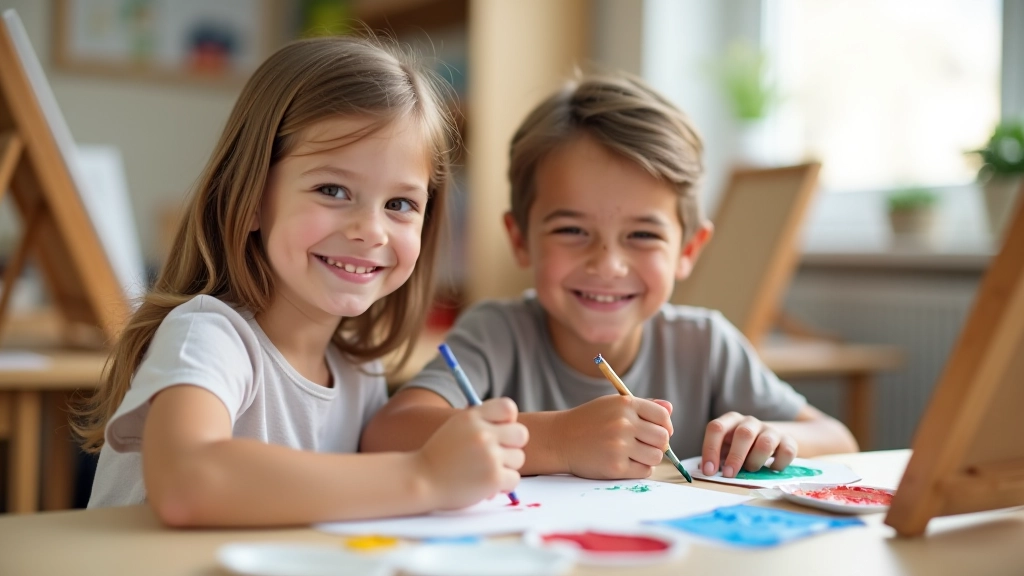
Don't expect your child to walk out with a masterpiece. That's not what week one is about. Most programs spend the first session on logistics—where materials are, how to care for brushes, basic safety—and then maybe one short exercise.
By week two or three, things get real. They'll start working on actual projects. Some kids get frustrated when they can't immediately draw what's in their head. That's normal. Good instructors anticipate this and focus on process over results. They're building skills, not judging the outcome.
One honest note: not every kid falls in love with art class. Some realize it's not for them. That's okay. But most who stick through the first month find their groove. They stop worrying about whether it's "good" and start enjoying the doing.
Preparing Your Child (and Yourself)
Let Them Lead the Conversation
Ask what they're curious about instead of telling them what they should try. "Would you rather paint or draw?" beats "You should take drawing classes." They're more invested when it's their choice.
Manage Expectations Realistically
Tell them: "You'll learn new skills. It might feel awkward at first. That's how learning works." Not: "You're going to be great at this!" One is honest. The other sets them up for disappointment.
Set Up a Space at Home
It doesn't need to be fancy. A corner with a table, good light, and supplies they can access without asking works. Practice happens at home. That's where confidence actually builds.
Don't Critique Their Work
This one's hard for parents. Even "That's nice!" can feel like judgment to a kid. Try "Tell me about what you made" instead. Let them own their process without your evaluation.
Real First Weeks: What Kids Actually Said
We asked kids who'd just finished their first month of art class what surprised them. Their answers were honest:
"I thought I'd be bad at it but nobody cares if your drawing is weird. The teacher just showed us how to do it better. Now I actually like coming."
— Marcus, age 10
"The first class was kind of boring because we just learned stuff. But by week three we were actually painting and it was so fun. I wasn't even thinking about whether it looked good."
— Sophia, age 9
Practical Things That Actually Help
Protect the Clothes
Old t-shirt, apron, or designated art clothes. Paint happens. It's easier on everyone if you've accepted that going in.
Build a Routine
Same day, same time each week signals to your child that this is important. Plus, instructors notice when kids show up consistently.
Ask Open Questions
"What did you learn today?" beats "Did you have fun?" Kids often don't know if they had fun yet, but they can tell you what happened.
Keep the First Pieces
Even the rough ones. In a year, you'll see how much they've grown. That's motivating for everyone.
Talk to the Instructor
A quick check-in after class or via email tells you how it's going. Good instructors want this feedback anyway.
Don't Compare
Every kid develops at their own pace. Your child's journey isn't slower or faster than anyone else's—it's just theirs.
Starting Out: It's Simpler Than You Think
Art classes don't require perfect supplies, perfect technique, or perfect confidence. They require showing up and being willing to try. Your child will feel awkward sometimes. They'll create things that surprise them (in good ways and questionable ways). They'll learn that making mistakes is part of the process, not a sign they should quit.
That skill—the ability to try, fail, adjust, and keep going—that's what they're really learning. The painting or drawing is just the vehicle.
Ready to Take the Next Step?
Look for programs that offer trial classes or open studio days. Let your child experience it before committing. Most instructors are happy to answer questions about their teaching approach, class size, and what to expect in those first weeks.
About This Article
This article provides educational information about getting started with art classes for children. Every child develops at their own pace, and experiences with art instruction vary based on the instructor, class size, and individual learning style. This content is meant to inform and prepare parents—not replace consultation with local art educators about programs in your area. Individual results and timelines differ based on factors like age, prior experience, and frequency of practice.
Explore More After-School Learning