

Getting Started with Art Classes for Kids
Find out what supplies you'll need, how to choose between painting and drawing classes, and what to expect from your child's first week.
Read MoreExplore art classes, robotics clubs, music lessons, and summer camp guides designed for growing minds in the United States
Whether you're looking for hands-on robotics programs, traditional art instruction, music lessons, or planning the perfect summer camp experience, we've gathered comprehensive resources for parents aged 40-60. Your child's creative journey starts here.
Real advice from educators, parents, and activity coordinators
Find out what supplies you'll need, how to choose between painting and drawing classes, and what to expect from your child's first week.
Read More
We've asked coordinators about skill levels, time commitments, and whether STEM experience is actually required before joining.
Read More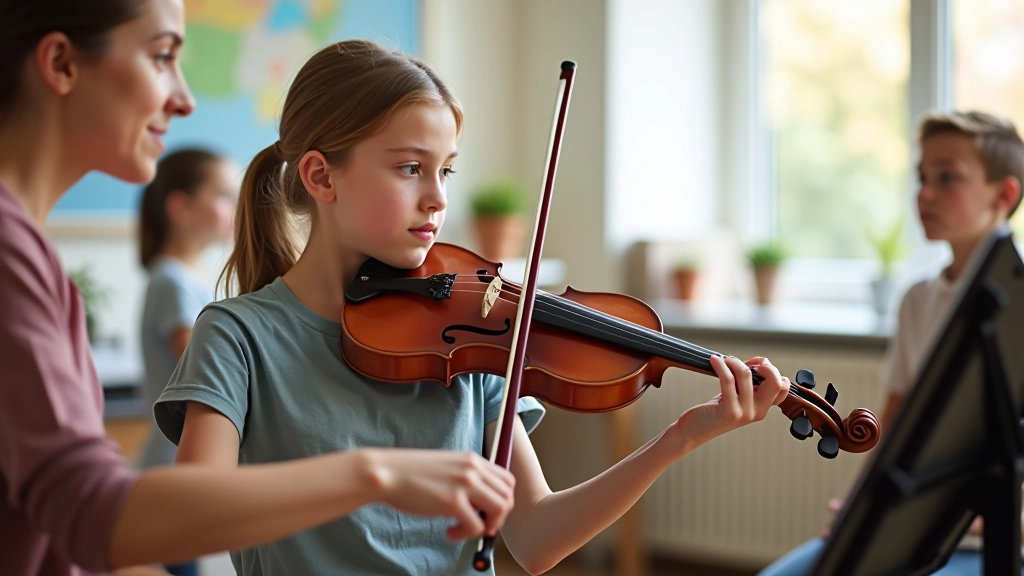
Piano, guitar, violin, drums — we break down each option, discuss practice time requirements, and share what actually works for busy families.
Read More
Day camp versus overnight, overnight safety, social dynamics, and how to actually know if your kid will enjoy a program before committing.
Read More"Kids who participate in creative activities — whether that's art, music, or robotics — they're more confident in the classroom. It's not just about the skill they're learning. They're figuring out who they are and what they're capable of. Parents don't always see the connection right away, but it's real."
The shift toward hands-on learning outside traditional school hours has grown significantly over the past five years. Programs combining creative expression with technical skills — like robotics with design, or music with coding — are becoming increasingly popular. What's changed most is how accessible these programs have become. Ten years ago, quality art classes and music instruction were limited to wealthier communities. Now you'll find them in most neighborhoods, and many offer sliding-scale pricing or scholarship options.
Parents aged 40-60 often tell us they wish they'd had these opportunities growing up. That perspective shapes how they approach their own children's activities — less pressure to be "the best," more emphasis on exploration and enjoyment. That's actually the sweet spot for learning.
Ask them what they enjoy doing in free time. Don't assume they want what you wanted. Their interests matter more than your expectations.
Many programs offer trial classes or drop-in sessions. Go once before committing to a full session. One bad experience with an instructor can turn them off forever.
Pick-up times, duration, and frequency matter. A great program that requires a 45-minute drive twice weekly won't work if you're managing multiple schedules.
Ask about what's included, whether there are additional material fees, and if financial assistance is available. Hidden costs frustrate families.
A talented instructor who connects with kids is worth more than fancy facilities. Ask other parents about their experiences.
Most kids need 3-4 sessions to settle in. But if they're actively dreading it after a month, it's okay to switch. Not everything is for everyone.